



Introduction
In PCBA manufacturing projects, the prototyping phase is often one of the stages where customers are most concerned about the cost structure. NRE, as a core component of prototyping costs, is not merely a "setup fee," but rather a comprehensive set of upfront investments covering engineering preparation, process validation, and production ramp-up. Understanding the true composition of NRE helps companies more accurately assess costs early in the PCBA partnership and avoids communication misunderstandings later on due to unclear cost expectations.
Engineering Data Processing and Process Review Fees
1. Gerber and BOM Engineering Analysis
Before PCBA manufacturing begins, the engineering team must parse and verify Gerber files, BOMs, and coordinate files to confirm the manufacturability of the layer stackup, pad design, and component specifications.
2. DFM (Design for Manufacturability) Analysis
This involves evaluating the design files for manufacturing suitability, including pad spacing, component package compatibility, and via design. This step directly impacts subsequent yield rates and production stability.
3. Process Route Planning
Based on the product structure, SMT, DIP, and testing processes are determined, and corresponding process routes are established to avoid frequent adjustments during mass production.
SMT Program Development and Equipment Commissioning Costs
1. SMT Program Development
Generate SMT programs based on PCB design data, including coordinate transformation, component orientation definition, and placement sequence optimization. This is an essential engineering step in PCBA manufacturing.
2. Stencil Design and Fabrication
Design the stencil aperture structure based on the pad layout, this determines the solder paste printing quality and directly impacts subsequent reflow soldering quality.
3. Equipment Debugging and Alignment Calibration
SMT machines, solder paste printers, and reflow ovens require parameter settings and precision calibration for new products to ensure stable production of the first unit.
Development of Production Fixtures and Test Fixtures
1. Test Fixture Design (ICT/FCT)
Test fixtures are developed based on product functional requirements to verify electrical performance and functional integrity. Their role is particularly significant in high-volume PCBA manufacturing.
2. Production Auxiliary Fixture Fabrication
This includes positioning fixtures, trays, and clamps, which are used to improve production efficiency and reduce human error.
3. First-Article Verification Tool Configuration
Some projects require specialized inspection tools for first-article verification and process validation.
Trial Production and First-Article Verification Costs
1. Small-Batch Trial Production Runs
Trial production is conducted prior to full-scale mass production to verify process stability and material compatibility, identify potential issues, and adjust processes.
2. First-Article Inspection and Approval
Each production line must undergo first-article inspection during the initial startup phase, mass production may only commence after joint approval by engineering and quality control.
3. Defect Analysis and Adjustments
Defective units generated during the pilot production phase must be analyzed, which involves disassembly, retesting, and process optimization.
Material Preparation and Allowance for Waste
1. Stencil and Pilot Production Material Consumption
Material waste is inevitable during the prototyping process, including solder paste, PCB test boards, and component wastage.
2. Material Procurement Variance and Safety Stock
Due to MOQ restrictions on the BOM, the procurement quantity for some materials exceeds actual demand, this difference is typically included in NRE costs.
3. Special Material Handling Costs
Special materials, such as MSL-sensitive components and ICs with special packaging that require additional baking or moisture-proof treatment, are also included in engineering costs.
Engineering Management and Project Onboarding Costs
1. Project Engineering Follow-Up
From the prototyping to the pilot production stage, engineering personnel must provide continuous oversight and coordinate with the production, procurement, and quality departments.
2. Cross-Departmental Coordination Costs
PCBA manufacturing involves coordination across multiple stages, including warehousing, production, testing, and quality control, the coordination process itself constitutes an engineering investment.
3. Documentation and Data Management
All production data, test records, and process parameters must be organized and archived to serve as a basis for subsequent mass production.
The Practical Significance of NRE in PCBA Manufacturing
1. Reducing Mass Production Risks
Through upfront engineering investment, design and process issues are identified early, reducing anomalies during mass production.
2. Shortening the Mass Production Ramp-Up Cycle
A comprehensive NRE process can significantly reduce the time from prototyping to stable mass production.
3. Laying the Foundation for Higher Yield Rates
A thoroughly validated process path helps improve the consistency and stability of subsequent PCBA manufacturing.
Conclusion
NRE costs in PCBA manufacturing are essentially an upfront engineering investment that covers the entire process from design evaluation to pilot production validation. They not only determine the quality of prototypes but also impact the stability and delivery efficiency of subsequent mass production.
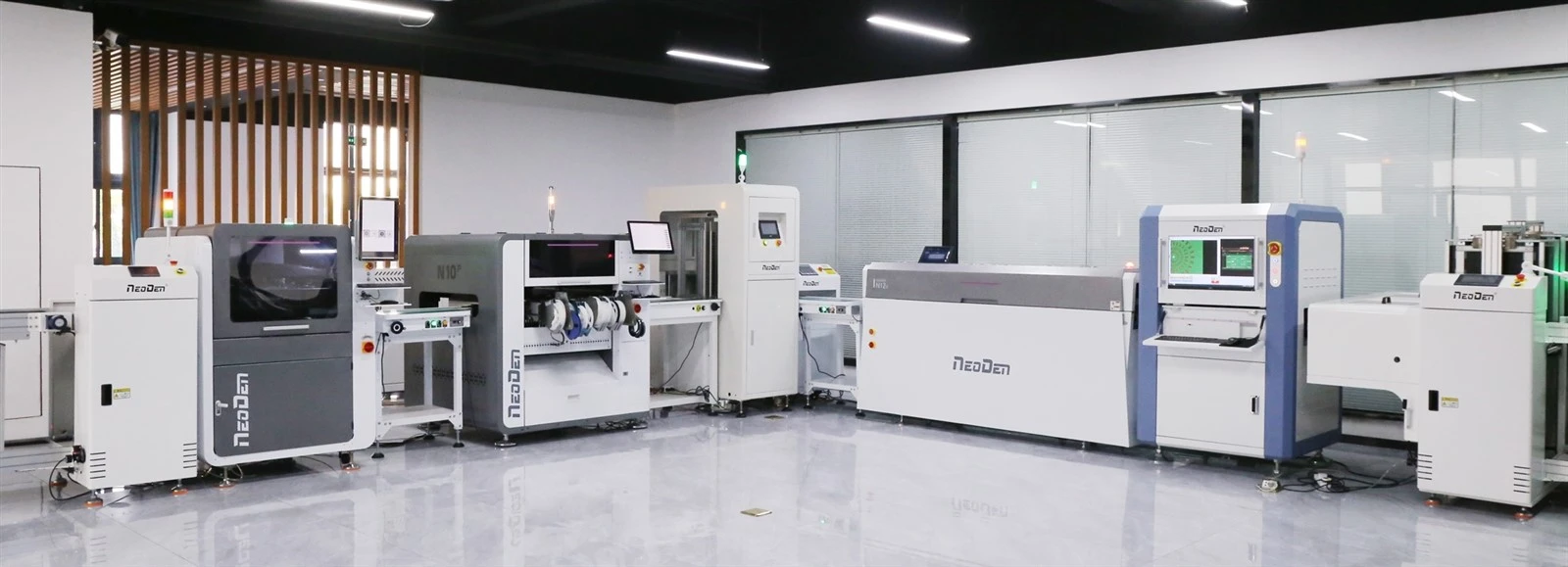
Quick facts about NeoDen
- Established in 2010 with 200+ employees & 27,000+ Sq.m. factory of independent property rights, to ensure the standard management and achieve the most economic effects as well as saving the cost.
- Owned the own machining center, skilled assembler, tester and QC engineers, to ensure the strong abilities for NeoDen machines manufacturing, quality and delivery.
- 40+ global partners covered in Asia, Europe, America, Oceania and Africa, to successfully serve 10000+ users in all of the world, to ensure the better and faster local service and prompt response.
- 3 different R&D teams with total 25+ professional R&D engineers, to ensure the better and more advanced developments and new innovation.
- Skilled and professional english support&service engineers, to ensure the prompt response within 8 hours, solution provides within 24 hours.
- The unique one among all of the Chinese manufacturers who registered and approved CE by TUV NORD.
- NeoDen supplies life-long technical support and service for all of the NeoDen machines, moreover, regular software updates based on the using experiences and actual daily request from the endusers.