

Hey there! As a supplier of PCB handling machines, I often get asked about the error rate of these nifty pieces of equipment. So, I thought I'd sit down and write a blog post to clear up any confusion and give you the lowdown on what the error rate of a PCB handling machine really means.
First things first, let's talk about what a PCB handling machine is. In a nutshell, these machines are designed to move, transport, and position printed circuit boards (PCBs) during the manufacturing process. They play a crucial role in ensuring that PCBs are handled efficiently and accurately, which is essential for producing high-quality electronic products.
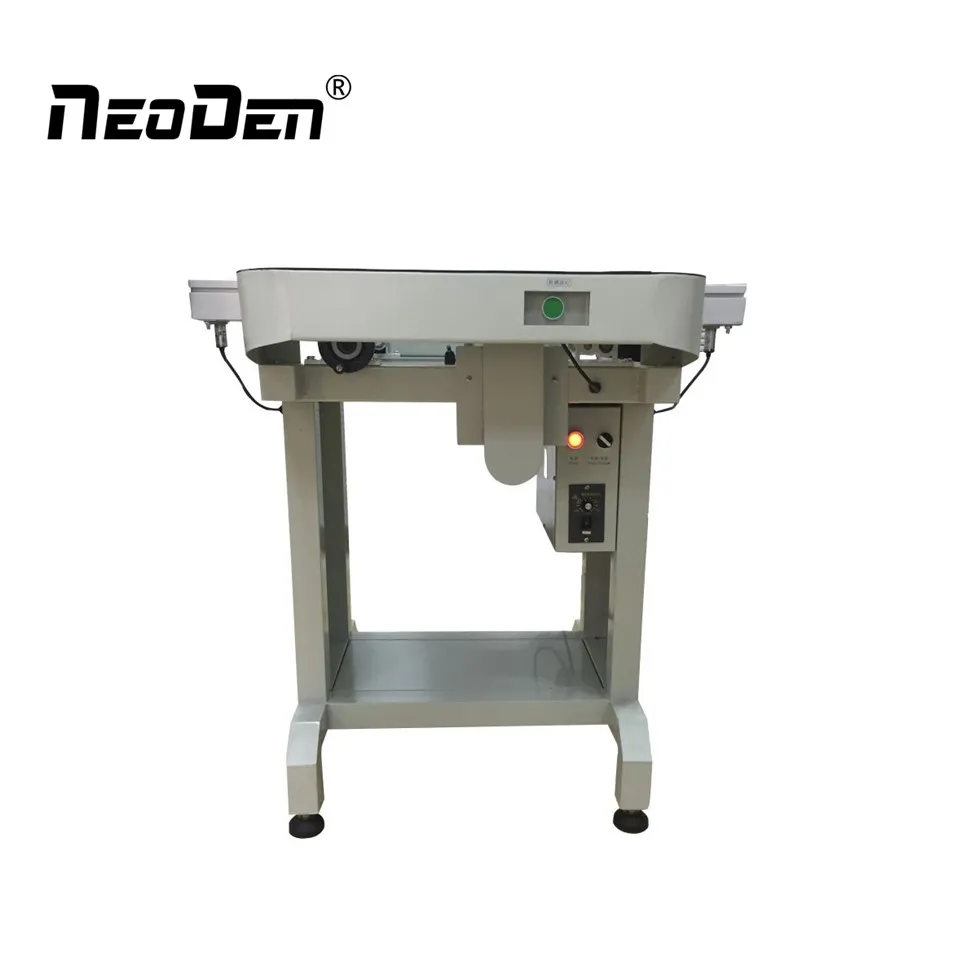
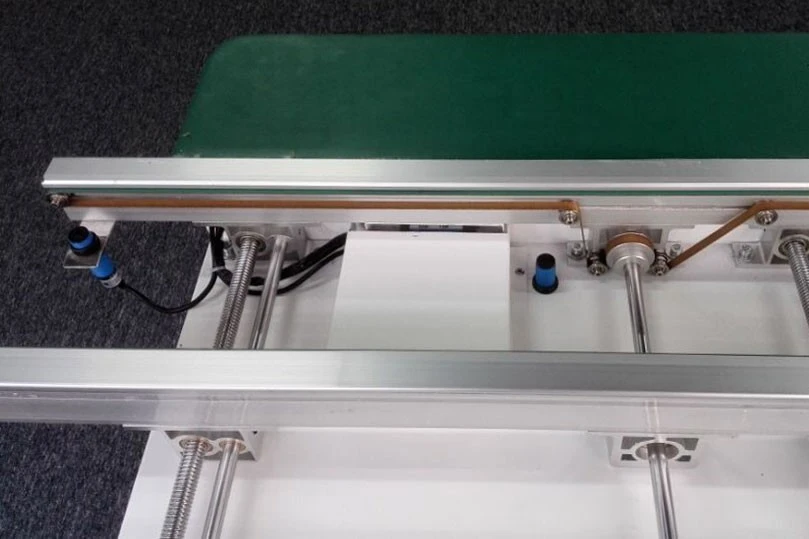
There are different types of PCB handling machines out there, each with its own specific functions. For example, the PCB Conveyor is used to move PCBs from one workstation to another along a production line. It's like a little highway for PCBs, keeping the manufacturing process flowing smoothly. Then, we have the SMT Buffer, which acts as a temporary storage unit for PCBs. It helps to balance the production flow and prevent bottlenecks. And of course, the PCB Loader Machine is responsible for loading PCBs onto the production equipment.
Now, let's get to the meat of the matter - the error rate. The error rate of a PCB handling machine refers to the percentage of times that the machine fails to perform its intended function correctly. This can include things like misaligning the PCB, dropping the PCB, or not transporting it to the right location.
There are several factors that can affect the error rate of a PCB handling machine. One of the biggest factors is the quality of the machine itself. A well - built, high - quality machine with precision components is likely to have a lower error rate compared to a cheaper, lower - quality alternative. The design of the machine also plays a role. A machine with a simple and straightforward design is often easier to maintain and less prone to errors.
Another important factor is the environment in which the machine operates. Dust, humidity, and temperature can all have an impact on the performance of the machine. For example, if the environment is too dusty, it can cause the sensors and moving parts of the machine to malfunction, leading to an increased error rate.
The type of PCBs being handled also matters. Different PCBs have different sizes, shapes, and weights. A machine that is not properly calibrated to handle a specific type of PCB may have a higher error rate when dealing with it.
Let's take a closer look at how the error rate is measured. Usually, it's calculated over a certain period of time or a specific number of operations. For example, if a machine performs 1000 PCB handling operations and makes 10 errors, the error rate would be 1% (10/1000 * 100).
As a supplier, we take several steps to minimize the error rate of our PCB handling machines. First of all, we use high - quality materials and components in the manufacturing process. This ensures that the machines are durable and reliable. We also conduct rigorous testing on each machine before it leaves the factory. This includes running the machine through a series of simulated operations to check for any potential errors.
In addition, we provide comprehensive training and support to our customers. We want to make sure that they know how to operate and maintain the machines properly. This includes things like regular cleaning, lubrication, and calibration. By following these maintenance procedures, customers can keep the error rate of the machines as low as possible.
It's also important to note that the error rate is not a static number. Over time, as the machine ages and wears out, the error rate may increase. That's why regular maintenance and replacement of worn - out parts are so crucial.
So, why does the error rate matter? Well, a high error rate can have a significant impact on the production process. It can lead to increased production costs, as more time and resources are spent on fixing errors and re - working defective PCBs. It can also result in lower product quality, which can damage the reputation of the manufacturer. On the other hand, a low error rate means more efficient production, higher product quality, and ultimately, greater customer satisfaction.
If you're in the market for a PCB handling machine, it's important to consider the error rate as one of the key factors. Don't just focus on the price; look at the overall quality and reliability of the machine. A machine with a low error rate may cost a bit more upfront, but it will save you money in the long run.
As a PCB handling machine supplier, we're confident in the quality of our products. Our machines are designed to have a low error rate, which means you can expect smooth and efficient production. If you're interested in learning more about our PCB handling machines, or if you have any questions about the error rate or other aspects of the machines, we'd love to hear from you. Whether you're a small - scale manufacturer or a large - scale production facility, we have the right solution for you.
Contact us to start a conversation about your PCB handling needs. We can provide you with detailed information, product specifications, and even arrange a demonstration if you'd like. Let's work together to improve your production process and take your business to the next level.
References
- Industry reports on PCB handling machine performance
- Internal testing data from our manufacturing facility