


Introduction
In the PCBA manufacturing and delivery chain, the pre-shipment quality verification process often determines the customer's ultimate confidence in the entire batch of products. With the widespread adoption of high-density packaging and high-reliability applications, relying solely on spot checks is no longer sufficient to meet customer requirements for consistency and traceability. 100% AOI and X-ray image documentation is becoming an increasingly common pre-delivery standard practice in the PCBA manufacturing industry.
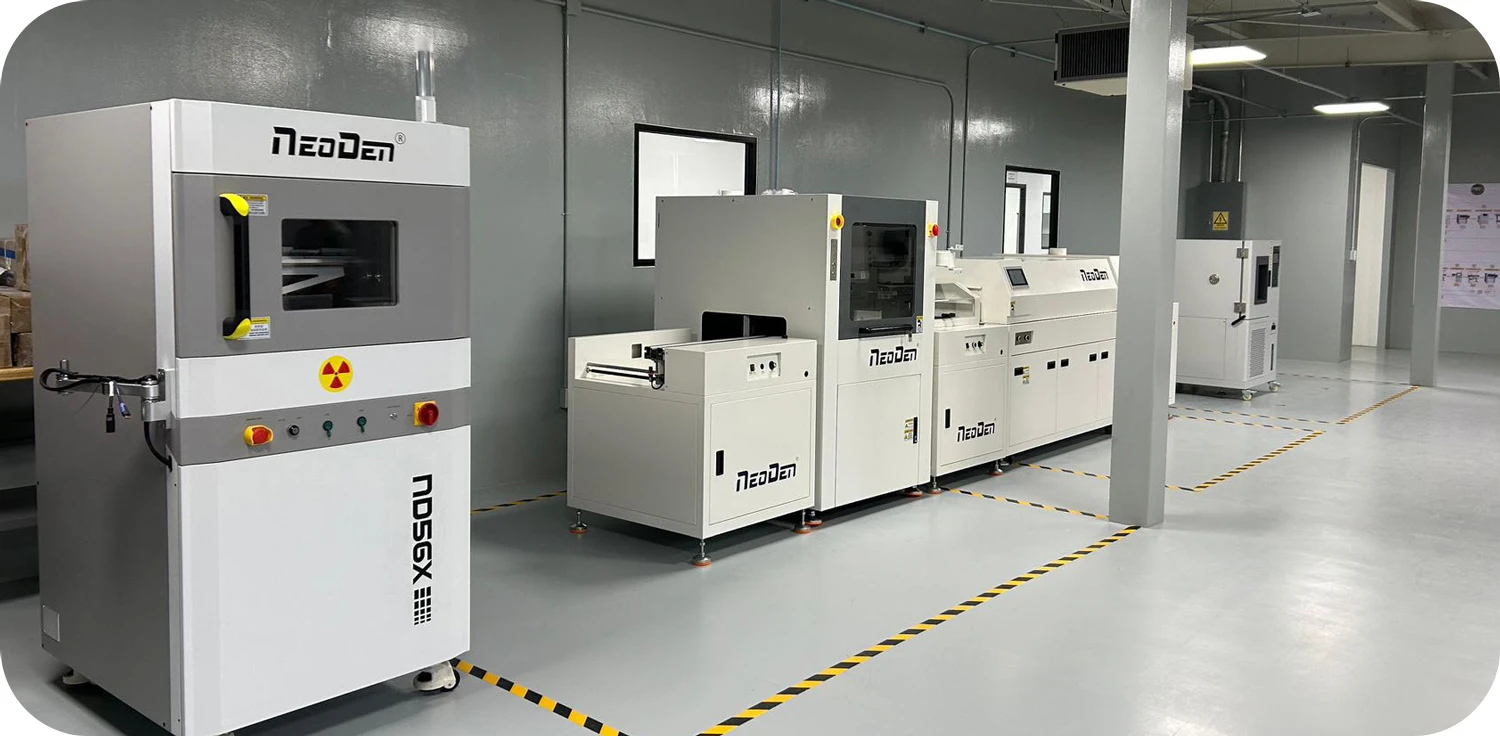
Sampling Inspection Fails to Cover Hidden Risks in PCBA Manufacturing
In traditional PCBA quality inspection systems, AOI and X-ray inspections are typically conducted on a sampling basis to control costs and improve efficiency. However, as the proportion of packages such as BGA, QFN, and LGA increases, the concealment of solder joint defects has become significantly more pronounced. For example, issues such as cold solder joints, voids, bridging, and misalignment may appear entirely normal during the visual inspection stage but only gradually become apparent during functional testing or when the product is in use at the customer's site. Since these issues are random in nature, relying solely on sampling inspections cannot provide effective coverage. In batch orders for PCBA manufacturing, even if the defect rate is controlled at an extremely low level, the risk to customers can still be significant due to the large volume involved. Therefore, 100% inspection is gradually replacing sampling inspection, particularly in export and high-reliability sectors.
AOI 100% Inspection Enhances Visual Consistency Control
In the PCBA manufacturing process, AOI (Automated Optical Inspection) is primarily used to identify placement misalignment, missing components, polarity errors, and solder joint abnormalities. The value of 100% AOI scanning lies in eliminating "missed inspection windows." When every PCBA undergoes complete image capture and comparison, human sampling errors are reduced to zero, while a comprehensive visual data chain is established. More importantly, this image data serves as the basis for subsequent quality traceability. Should an anomaly arise on the client's end, the issue can be traced directly back to the specific board's AOI images, allowing for rapid identification of the stage where the problem occurred, rather than relying on empirical judgment. In the manufacturing of high-density PCBA products, this comprehensive inspection method has gradually become a standard configuration.
X-Ray Documentation Solves the Problem of Invisibility in BGA and Hidden Solder Joints
For packages such as BGA, LGA, and CSP in PCBA manufacturing, solder joints are located on the underside of the components, making it impossible for conventional visual inspection to identify the actual soldering status. X-Ray inspection plays a critical role here, clearly revealing the formation of solder balls, the void ratio, and bridging conditions. However, simply recording inspection results is no longer sufficient to meet current customer requirements. The significance of 100% X-ray image documentation lies in "process traceability," rather than a one-time assessment. The internal structure of every PCBA is recorded as image data and stored in conjunction with batch information. In actual PCBA manufacturing and delivery, this documentation mechanism effectively prevents disputes-particularly in cross-border orders-and serves as a crucial basis for customer acceptance.
Enhancing Customer Confidence in Acceptance and Reducing Quality Disputes
In the foreign trade business of PCBA manufacturing, quality disputes often arise not during the production phase, but after the customer receives the goods. In the absence of comprehensive inspection data, even if issues occur during transportation or use, they are easily attributed to the manufacturer. 100% AOI and X-ray image documentation provide a complete chain of evidence, ensuring that the condition of every PCBA is clearly recorded before shipment. This transparency mechanism can significantly reduce the likelihood of quality disputes. For customers, this data is not only used for acceptance but also for internal quality audits and supply chain evaluations. In industries with high standards, this capability for visual quality management has become a key criterion for supplier selection.
Driving the Shift in PCBA Manufacturing Quality Systems from Results-Based to Process-Based Management
Traditional PCBA manufacturing quality management relies heavily on final test results, such as functional test pass rates or sample inspection yield rates. However, this approach fails to reflect process details. With the introduction of 100% AOI and X-ray documentation, quality management has begun to shift from "outcome-based judgment" to "process documentation." Every production stage is digitally recorded, forming a complete quality trail. This shift means that PCBA manufacturing is no longer merely about determining "pass or fail," but rather about whether the process is "explainable." For high-reliability products, this capability directly impacts subsequent market stability.
In today's PCBA manufacturing industry, quality competition is shifting from "pass/fail" to "traceability." 100% AOI and X-ray image documentation represent not only an upgrade in inspection capabilities but also a restructuring of the delivery logic, ensuring that every PCBA is backed by verifiable production evidence.
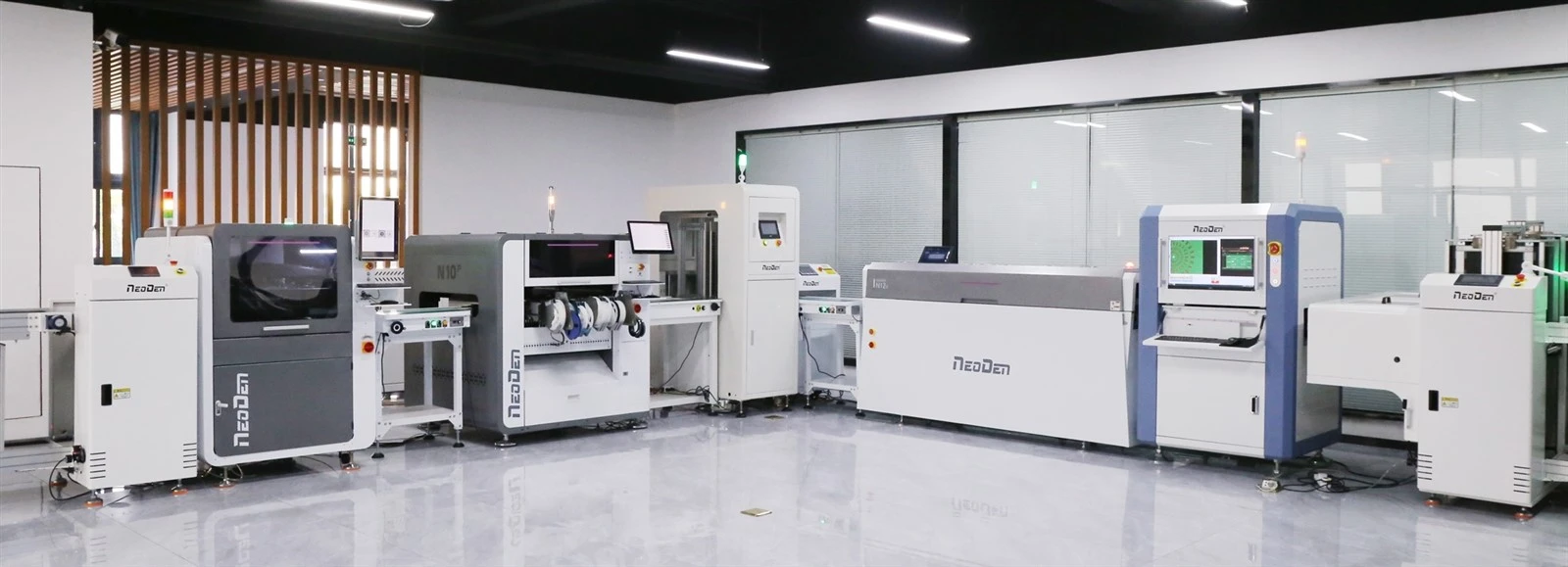
Quick facts about NeoDen
- Established in 2010 with 200+ employees & 27,000+ Sq.m. factory of independent property rights, to ensure the standard management and achieve the most economic effects as well as saving the cost.
- Owned the own machining center, skilled assembler, tester and QC engineers, to ensure the strong abilities for NeoDen machines manufacturing, quality and delivery.
- 40+ global partners covered in Asia, Europe, America, Oceania and Africa, to successfully serve 10000+ users in all of the world, to ensure the better and faster local service and prompt response.
- 3 different R&D teams with total 25+ professional R&D engineers, to ensure the better and more advanced developments and new innovation.
- Skilled and professional english support&service engineers, to ensure the prompt response within 8 hours, solution provides within 24 hours.
- The unique one among all of the Chinese manufacturers who registered and approved CE by TUV NORD.
- NeoDen supplies life-long technical support and service for all of the NeoDen machines, moreover, regular software updates based on the using experiences and actual daily request from the endusers.